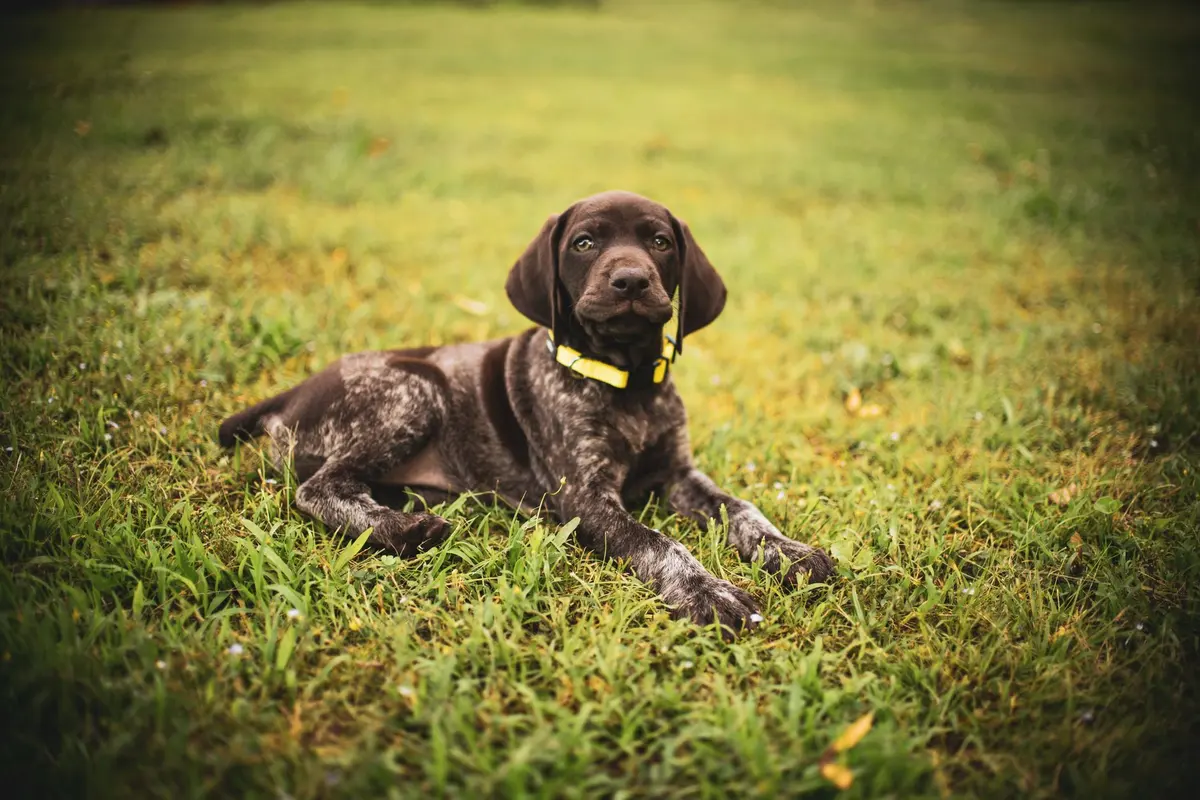
2-Month-Old Puppy in Human Years
A 2 month old puppy is about 3 human years old (3.3 on the size-adjusted model) regardless of breed size, roughly a toddler who has just left its mother and is ready for its first vaccines.
A 2 month old puppy in human years is about 3, the canine equivalent of a toddler. At eight weeks a puppy has just weaned, has a full set of 28 baby teeth, and is old enough to go to its new home and start its first DHPP vaccine series. Size does not matter yet: a Chihuahua and a Great Dane both count as about 3 at this age, because the first year is worth 15 human years for every breed and the differences by size begin only after year two.
What a 2-month-old puppy is going through
| Age | Human years | Milestones at this age |
|---|---|---|
| 2 months (~9 weeks) | 3.3 | All 28 baby teeth are in · First DHPP vaccine (6–8 weeks) · Ready to leave the litter at 8 weeks |
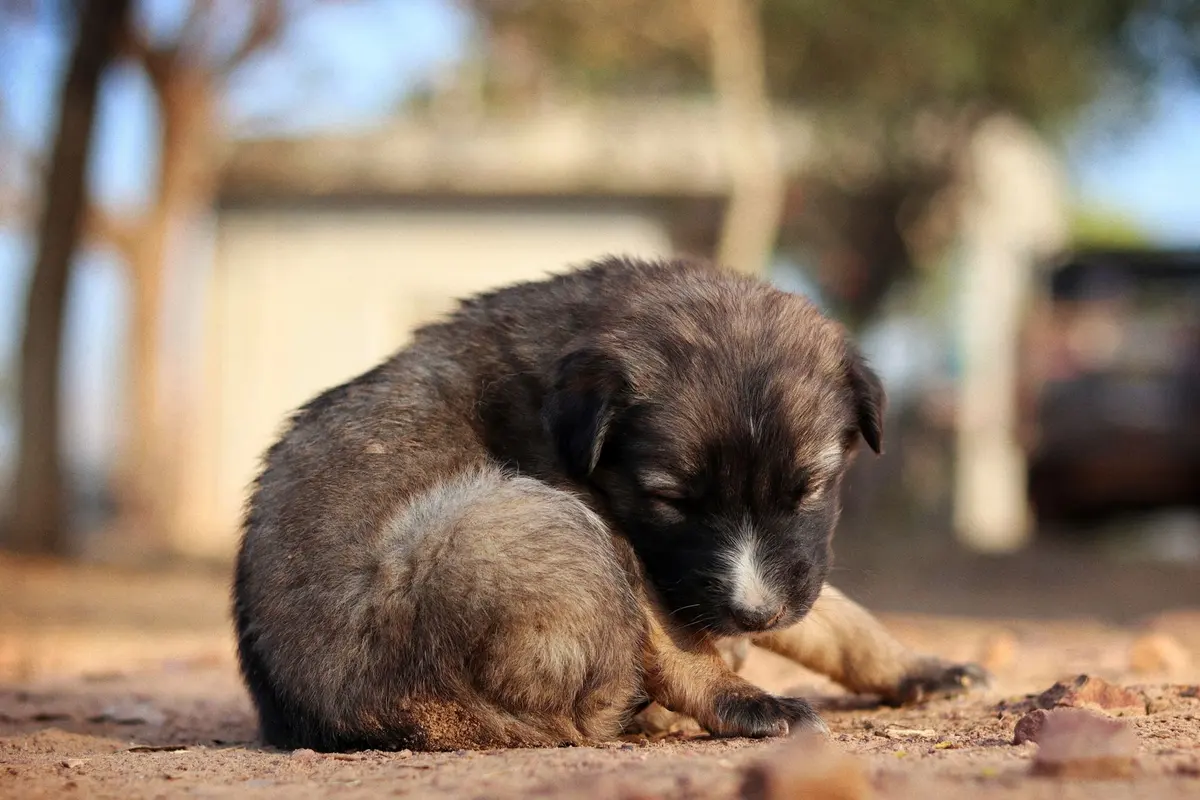
What stage is an 8-week-old puppy in?
At 2 months a puppy is in the early puppy stage, which the AAHA guidelines run from birth to one year. Eight weeks is the traditional age for a puppy to leave the litter, and it is the start of the most important learning window of a dog's life, which closes around 14 to 16 weeks.
The AAHA canine life stage guidelines class everything under one year as puppyhood, and the AVMA size-adjusted model gives the whole first year 15 human years, so 2 month dog years work out to about 3.3.
What an 8-week-old puppy needs right now:
- Three or four small meals a day of a puppy formula (large breed formula for dogs expected to exceed 50 lb).
- The first DHPP vaccine, given at 6 to 8 weeks, plus a deworming and a fecal check.
- Gentle, positive exposure to people, sounds, surfaces and handling, since the socialization window is wide open.
- Short play sessions and a lot of sleep, often 18 to 20 hours a day.
Crate training and a consistent potty routine started this week pay off for the next 15 years.
Teeth, vaccines and growth at 2 months
By 8 weeks all 28 baby teeth are usually in, which is why puppies this age chew everything. The first DHPP vaccine is due at 6 to 8 weeks, the second at 10 to 12 and the third at 14 to 16, with rabies at 12 to 16 weeks. Growth is rapid, and a large breed puppy may double its weight in the next month.
A 2 month old puppy in human years is about 3, and like a toddler it is exploring with its mouth. The 28 deciduous teeth erupt by 6 to 8 weeks and will begin falling out around 3 to 4 months when the adult incisors come in.
Health and growth checklist for 2 month dog years:
- Vaccines: DHPP at 6 to 8, 10 to 12 and 14 to 16 weeks; rabies at 12 to 16 weeks. Until the series is complete, avoid dog parks and unknown dogs but do carry the puppy to see the world.
- Parasites: deworm on your vet's schedule and start heartworm and flea prevention when the label allows.
- Growth: toy breeds finish growing at 9 to 12 months, large breeds at 12 to 18 and giant breeds at 18 to 24, so size differences in aging appear later.
- Weight: weigh weekly; steady gain without a pot belly is the goal.
Why isn't a 2-month-old puppy just over 1 in human years?
The seven rule would make a 2-month-old puppy about 1.2 human years, which does not fit an animal that walks, plays, eats solid food and learns its name. The size-adjusted model spreads 15 human years across the first year, giving about 3.3 at two months, and there is no epigenetic estimate for puppies under a year.
The multiply by seven rule is a myth the AVMA advises against, and it is most wrong at the very beginning of life. Puppies develop far faster than human children: an 8-week-old is weaned, mobile, house training and forming social bonds, which is toddler behavior, not infant behavior. Dividing the first year's 15 human years evenly gives 1.25 human years per month, so a 2 month old puppy in human years is about 3.3, rounded to 3.
The UCSD epigenetic clock from Wang et al. (2020) uses the formula 16 ln(age) + 31, but it was built on dogs from about 4 weeks to 16 years and pawometer only reports it from the first birthday, since the logarithm behaves poorly for ages under one year. For puppies, the size-adjusted month figure is the useful one.
Frequently asked questions
How old is a 2 month old puppy in human years?
About 3 human years, or 3.3 on the size-adjusted model. Every breed size gets the same number at this age because size-based differences in aging begin only after a dog's second birthday.
What should an 8-week-old puppy be able to do?
Walk and run steadily, eat solid puppy food, play with littermates, respond to its name within a few days, and begin learning to sit and to potty outside. It will still sleep most of the day.
Can a 2-month-old puppy go outside?
Yes, in safe places. Carry it to see traffic, people and surfaces, and let it walk in your own yard or the yards of vaccinated dogs. Avoid dog parks and areas with unknown dogs until the vaccine series is done at 16 weeks.
Medically reviewed by our reviewing veterinarian, DVM · September 2026 Formulas, life stages and health notes follow AVMA, AKC and AAHA guidance. How we review · Not a substitute for veterinary advice.