6-Month-Old Puppy in Human Years
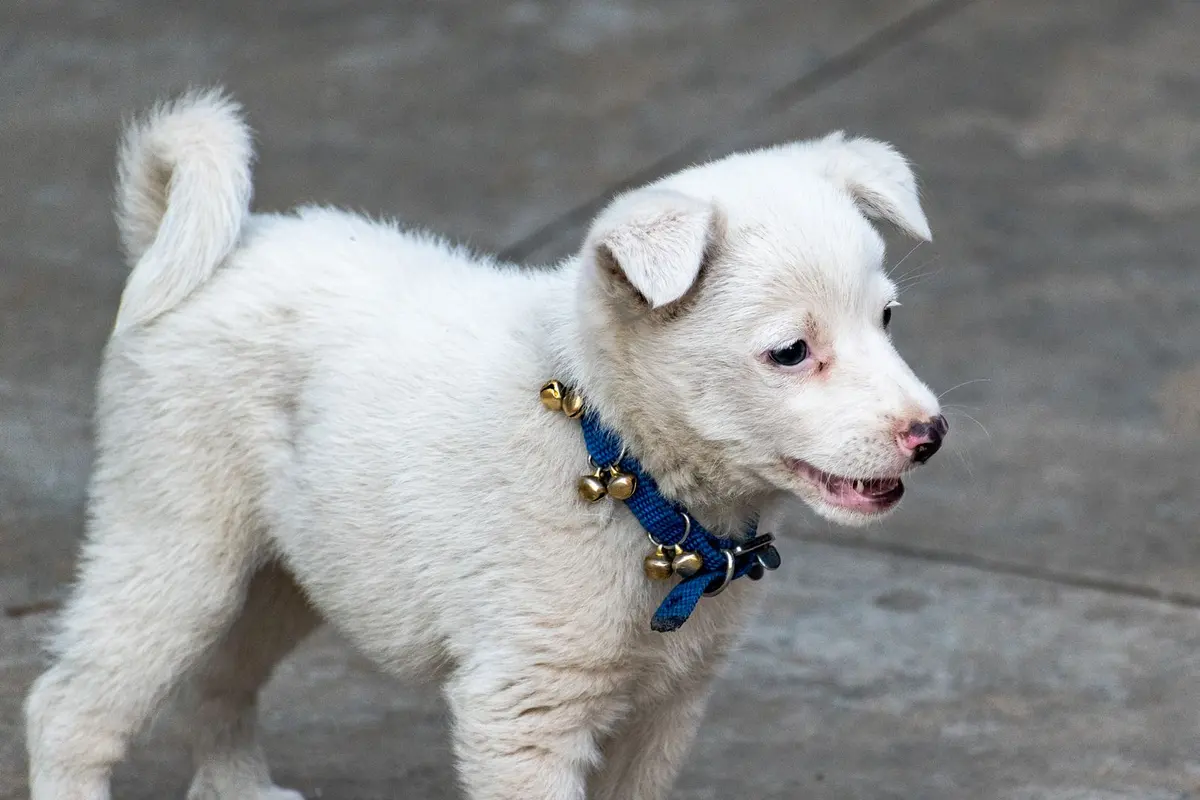
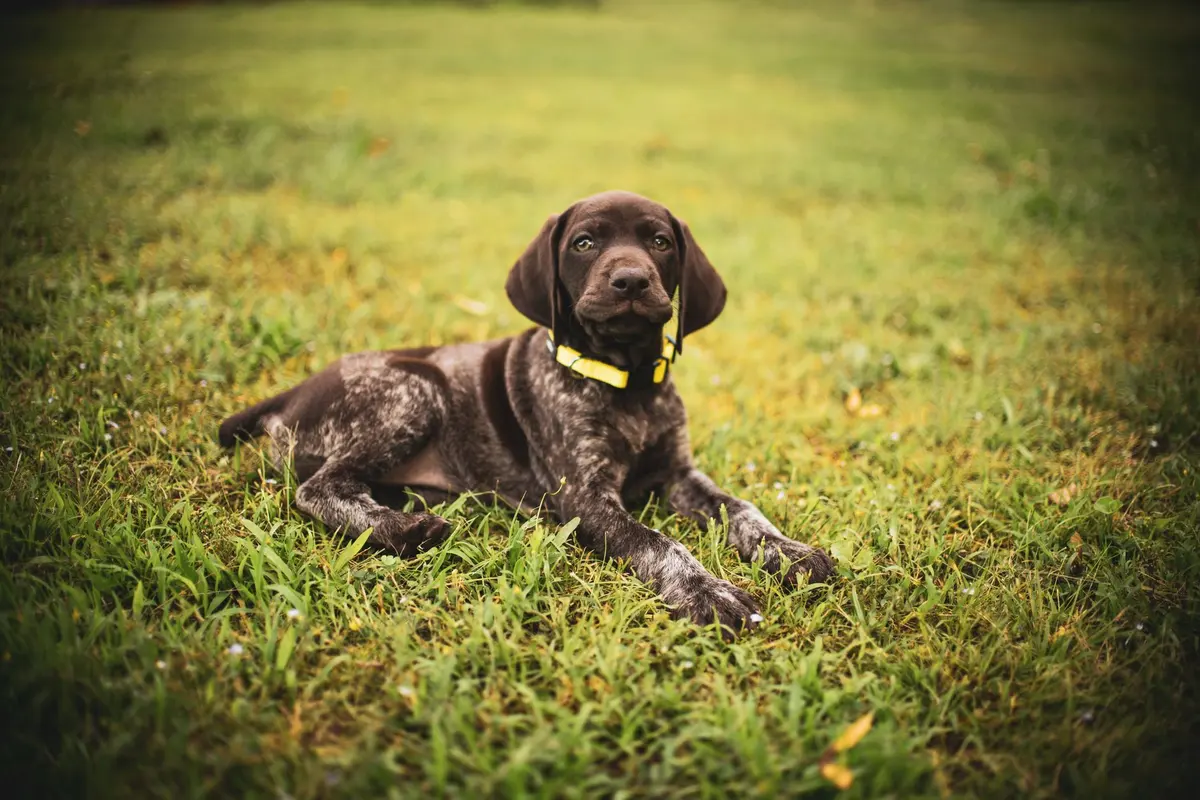
A 6 month old puppy is about 10 human years old on the size-adjusted model, the same for every breed size: a preteen with nearly all its adult teeth, entering adolescence and possibly reaching sexual maturity.
A 6 month old puppy in human years is 10, halfway through the first year's 15 human years. Six months is a turning point. Almost all 42 adult teeth are in, adolescence has officially begun, small breed females may have a first heat, and the sweet compliant puppy of last month may start ignoring known commands. Size does not affect the number yet, but it does affect growth: a toy breed is nearly finished, while a Great Dane is barely halfway.
What a 6-month-old puppy is going through
| Age | Human years | Milestones at this age |
|---|---|---|
| 6 months (~26 weeks) | 10 | Most adult teeth are in · Adolescence begins · Small breeds near adult height |
Is a 6-month-old puppy a teenager?
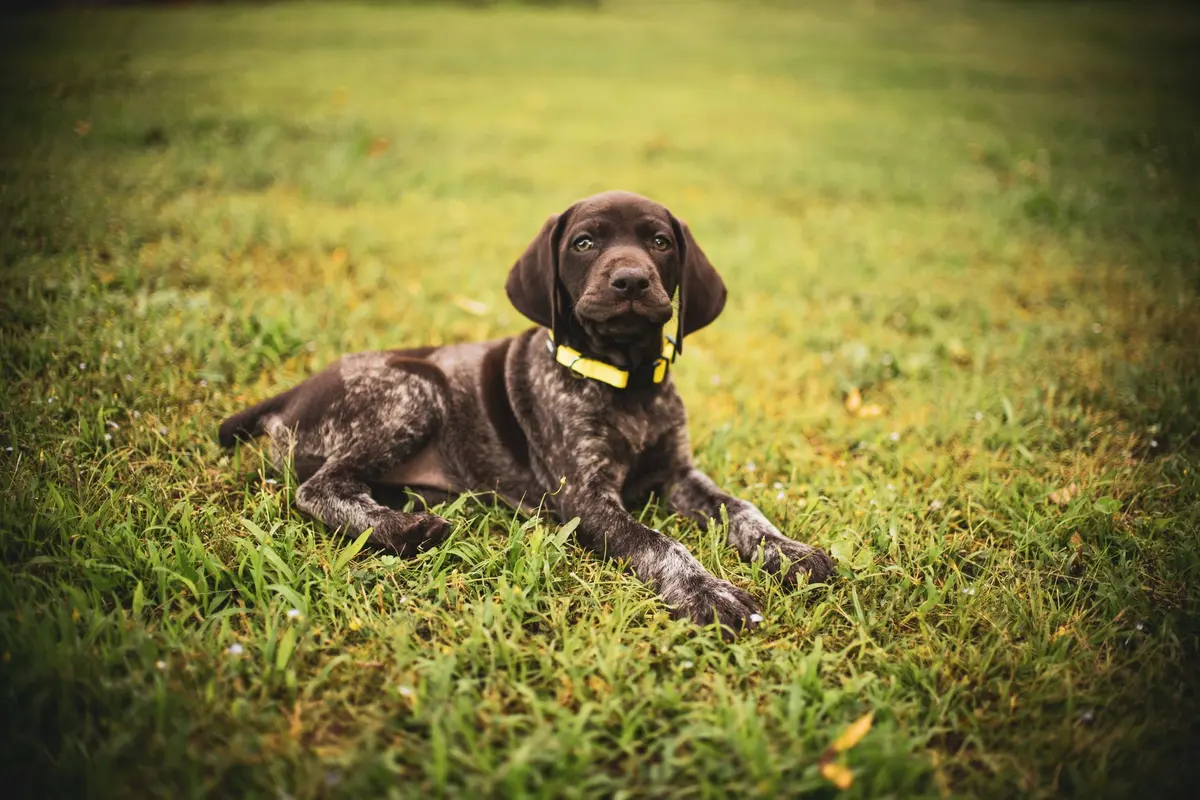
Yes, in canine terms. Adolescence runs from about 6 to 18 months, so a 6-month-old is at the very start of it. The AAHA guidelines still classify the dog as a puppy until one year, but hormones, independence and selective hearing all arrive around now. Patience and consistency in training are the answer.
The AAHA life stage guidelines keep a 6-month-old in the puppy stage, and the AVMA size-adjusted model counts the first year as 15 human years, so 6 month dog years equal 10 human years, a preteen.
What changes at 6 months:
- Recall and attention get worse as the world becomes more interesting than you. Go back to basics with high value rewards.
- Chewing shifts from teething relief to boredom and jaw exercise; provide tough chews.
- Intact dogs may begin marking, roaming or humping; small breed females can have a first heat cycle as early as 6 months.
- Energy peaks. A 6-month-old Labrador or Husky needs structured exercise, but not forced running on hard surfaces while growth plates are open.
Adult teeth, growth and the spay or neuter question at 6 months
By 6 to 7 months a puppy has its full set of 42 adult teeth, and teething chewing fades. Growth continues: small breeds are close to adult height, large breeds are two-thirds done and giants are about half. Six months is the traditional spay or neuter age, but many vets now delay it in large breeds until growth plates close.
A 6 month old puppy in human years is about 10, and physically it looks like a lanky version of the adult dog. The adult canines came in at 5 to 6 months and the last molars arrive by 6 to 7, completing the 42 adult teeth.
Health checklist at 6 month dog years:
- Spay or neuter: small breeds are often done at 6 months; for breeds over 50 lb many veterinarians recommend waiting until 12 to 18 months to reduce the risk of joint disease and some cancers.
- Growth: small breeds finish at 9 to 12 months, large at 12 to 18, giant at 18 to 24. Keep large puppies on a large breed growth formula.
- Prevention: heartworm, flea and tick prevention should be monthly by now; a heartworm test comes at the first annual visit.
- Weight: ribs should be easy to feel; an overweight 6-month-old large breed is at real risk for orthopedic problems.
Why 6 months is 10 human years, not 3.5
The seven rule gives 3.5 human years for a 6-month-old, but a dog with adult teeth, adult hormones and near adult size in small breeds is clearly further along than a preschooler. The size-adjusted model gives 10, and the UCSD epigenetic clock is reported only from the first birthday.
The AVMA calls the times seven rule a myth, and the first year is where it is most wrong. Dogs pass through infancy, childhood and the start of puberty in six months; dividing the first year's 15 human years evenly gives exactly 10 human years at 6 months. That matches the reality of a preteen: bigger, bolder, more hormonal, still needing supervision.
The epigenetic clock from Wang et al. (2020), 16 ln(age) + 31, is most meaningful from one year onward, which is why pawometer shows it only for dogs aged one and up. Size is not a factor yet either: the faster aging of large dogs described by Kraus et al. (2013) plays out in adulthood, which is why a 6-month-old Mastiff and a 6-month-old Maltese both count as 10 today but will be a full year apart in human age by their third birthday.
Frequently asked questions
How old is a 6 month old puppy in human years?
Ten human years. This is the same for all breed sizes, since size begins to change a dog's human age equivalent only after its second birthday, when small dogs gain four human years per year and giants gain seven.
Should I spay or neuter my puppy at 6 months?
For small and toy breeds, 6 months is a common and reasonable age. For large and giant breeds many veterinarians now recommend waiting until 12 to 18 months so growth plates can close. Ask your vet about your dog's breed and risk factors.
Why is my 6-month-old puppy ignoring commands it knew?
Adolescence. Between 6 and 18 months hormones and a growing interest in the world make puppies distractible and independent. Keep training sessions short, use better rewards, manage the environment with a leash or long line, and expect the reliable dog to return by 18 months.
Medically reviewed by our reviewing veterinarian, DVM · September 2026 Formulas, life stages and health notes follow AVMA, AKC and AAHA guidance. How we review · Not a substitute for veterinary advice.