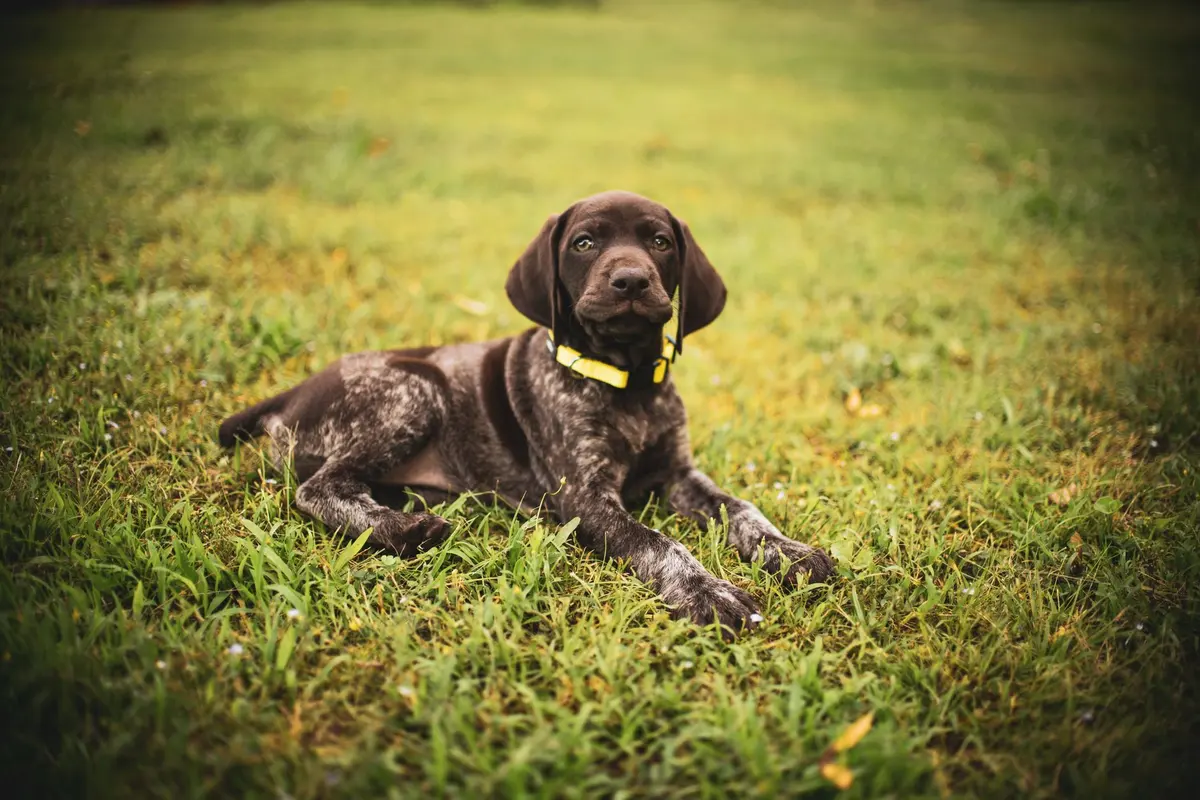
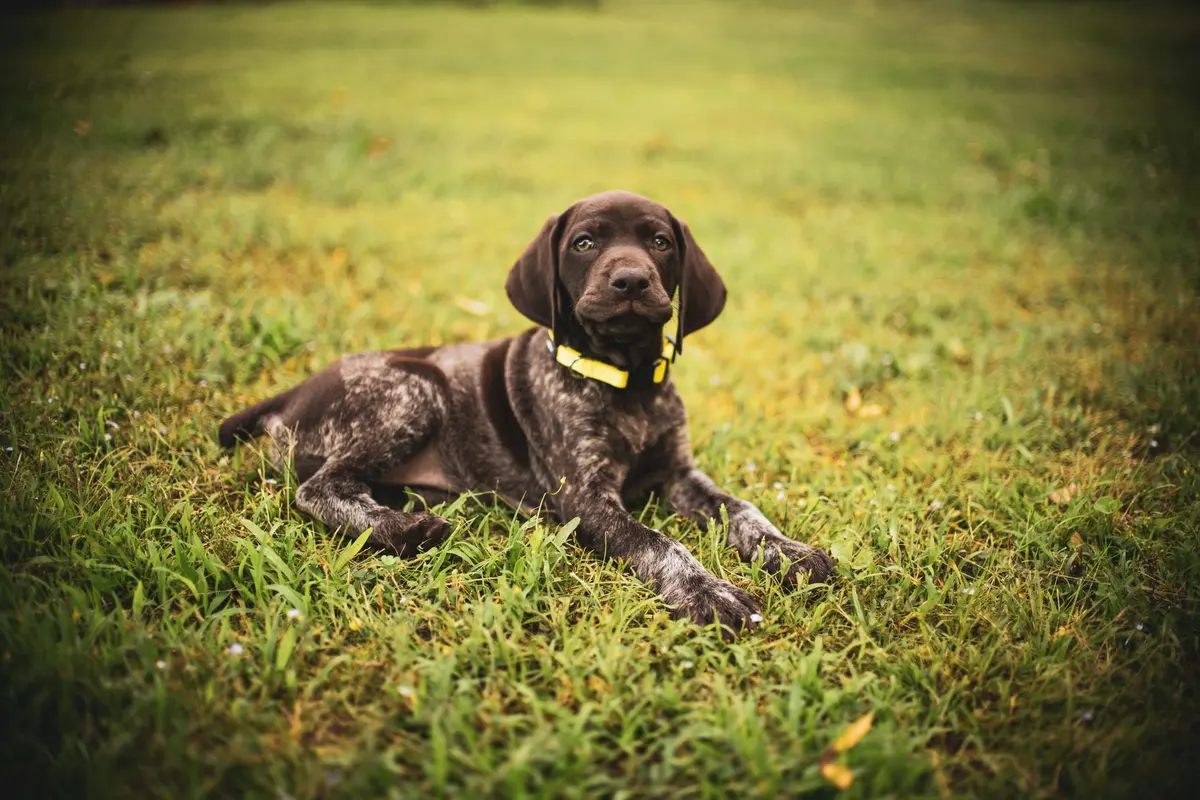
9-Month-Old Puppy in Human Years
A 9 month old puppy is about 12.5 human years old on the size-adjusted model, the same for every breed size: a young teenager, fully grown if it is a toy breed and still lanky if it is a Labrador or Great Dane.
A 9 month old puppy in human years is 12.5, three quarters of the way through the first year's 15 human years. Nine months is when the size groups start to diverge physically even though the human age is still identical: toy and small breeds reach their full adult size between 9 and 12 months, while a large breed has months of growth ahead and a giant breed more than a year. Adolescence is in full swing, and consistency now shapes the adult dog.
What a 9-month-old puppy is going through
| Age | Human years | Milestones at this age |
|---|---|---|
| 9 months (~39 weeks) | 12.5 | Toy breeds essentially full-grown · Adult coat coming in · Switch to adult food for small breeds |
What 9 months means for different breed sizes
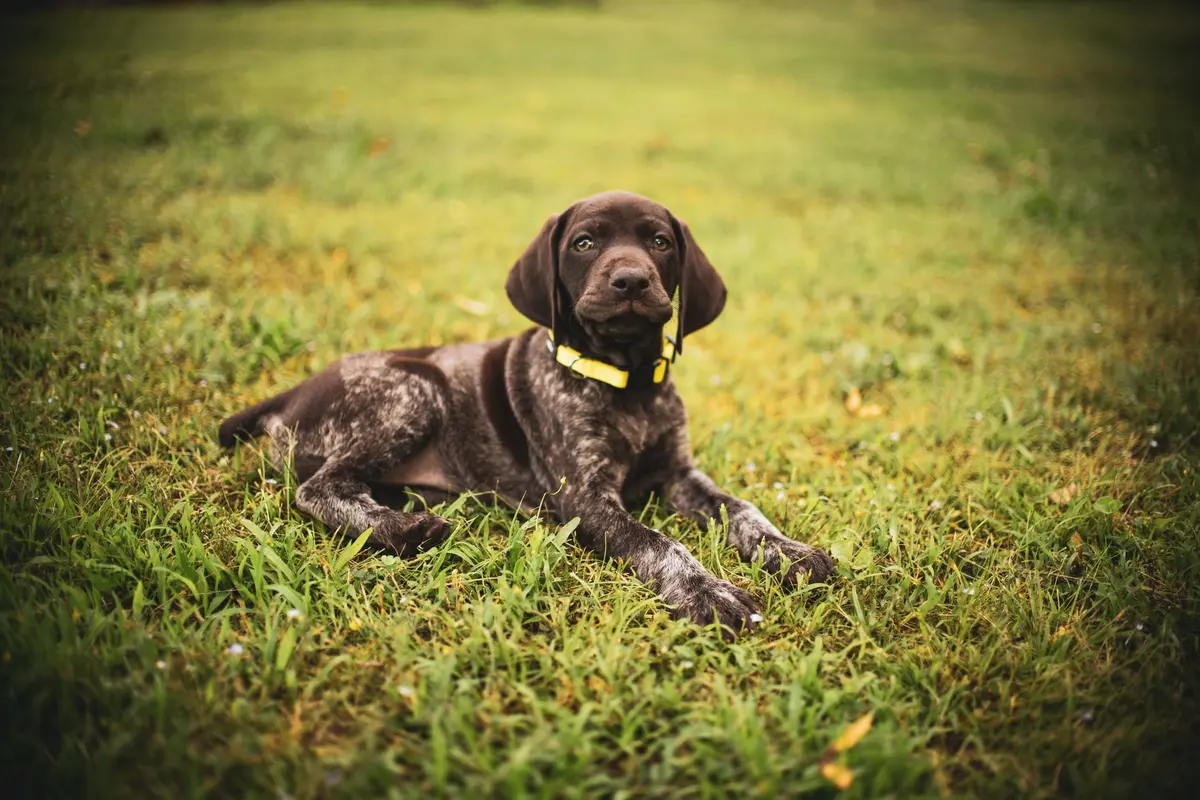
At 9 months every puppy is a young teenager by the size-adjusted chart, but a Chihuahua or Miniature Poodle is essentially an adult in body, a Beagle is nearly there, a Golden Retriever has 3 to 9 months of growth left and a Great Dane a year or more. The AAHA guidelines still count all of them as puppies until their first birthday.
The AAHA life stage guidelines run the puppy stage to 12 months, and the AVMA size-adjusted model gives that year 15 human years, so 9 month dog years equal 12.5 human years.
Size-specific notes at 9 months:
- Toy and small: full grown at 9 to 12 months; can begin transitioning to adult food; spay or neuter commonly done by now.
- Medium: close to adult height, still filling out; adult food around the first birthday.
- Large: growing until 12 to 18 months; stay on large breed growth formula and avoid high impact exercise.
- Giant: growing until 18 to 24 months; keep lean and protect joints above all.
Regardless of size, the brain is adolescent. Short daily training and a predictable routine are more valuable than any single class.
Health and behavior watch-list at 9 months
Nine months brings first heat cycles in many medium and large females, roaming and marking in intact males, and a second fear period in some dogs. Common health issues are ear infections, digestive upset from scavenging, and orthopedic problems appearing in large breed puppies that grew too fast or were overfed.
A 9 month old puppy in human years is about 12.5, and like a young teenager it is physically capable and mentally scattered.
What to watch at 9 month dog years:
- Heat cycles: small breeds may have had one already; medium and large females often have their first between 9 and 12 months. Plan for three weeks of management or discuss spay timing.
- Orthopedics: limping or bunny hopping in a large breed puppy can signal hip or elbow dysplasia or panosteitis; see the vet rather than waiting.
- Weight: adolescents often get chubby as growth slows; adjust portions so ribs stay easy to feel.
- Behavior: guarding food or toys, leash reactivity and separation distress commonly appear now and respond well to early professional help.
- Prevention: monthly heartworm and parasite control continues; the first heartworm test comes at the one year visit.
The math: why 9 months is 12.5 and not 5.25
The seven rule puts a 9-month-old at about 5.25 human years, which does not describe a sexually mature animal with adult teeth and adult size in small breeds. The size-adjusted model assigns 1.25 human years per month during the first year, giving 12.5 at nine months. The epigenetic clock is reported only from the first birthday.
The AVMA has called the times seven rule a myth for years, and the clearest evidence is a 9-month-old dog: puberty complete or under way, adult teeth in, growth finished in small breeds. That is a young teenager, and 9 month dog years at 1.25 per month give exactly 12.5 human years.
The epigenetic formula of Wang et al. (2020), 16 ln(age) + 31, was derived from methylation in Labradors and is most useful from age one, where it gives 31; pawometer shows it only from that point. Size does not enter yet because the faster aging of big dogs documented by Kraus et al. (2013), about a month of lifespan lost per 4.4 lb, plays out after growth ends. A 9-month-old Newfoundland and a 9-month-old Papillon share the same human age today, and will part ways after their second birthday.
Frequently asked questions
How old is a 9 month old puppy in human years?
About 12.5 human years. The number is identical for all breed sizes at this age; size only starts to change the human age equivalent after the second birthday.
Is a 9-month-old dog fully grown?
Toy and small breeds usually are, or nearly so, by 9 to 12 months. Medium breeds are close, large breeds grow until 12 to 18 months and giant breeds until 18 to 24 months, so a 9-month-old Great Dane has a long way to go.
Can a 9-month-old dog go into heat?
Yes. Many females have their first heat between 6 and 12 months, with small breeds earlier and giant breeds later, sometimes not until 18 months. If you are not planning to breed, talk to your vet about spay timing for your dog's size.
Medically reviewed by our reviewing veterinarian, DVM · September 2026 Formulas, life stages and health notes follow AVMA, AKC and AAHA guidance. How we review · Not a substitute for veterinary advice.