10-Month-Old Puppy in Human Years
A 10 month old puppy is about 13 human years old (13.3 on the size-adjusted model), the same for every breed size: a teenager two months from its first birthday, fully grown in small breeds and still growing in large ones.
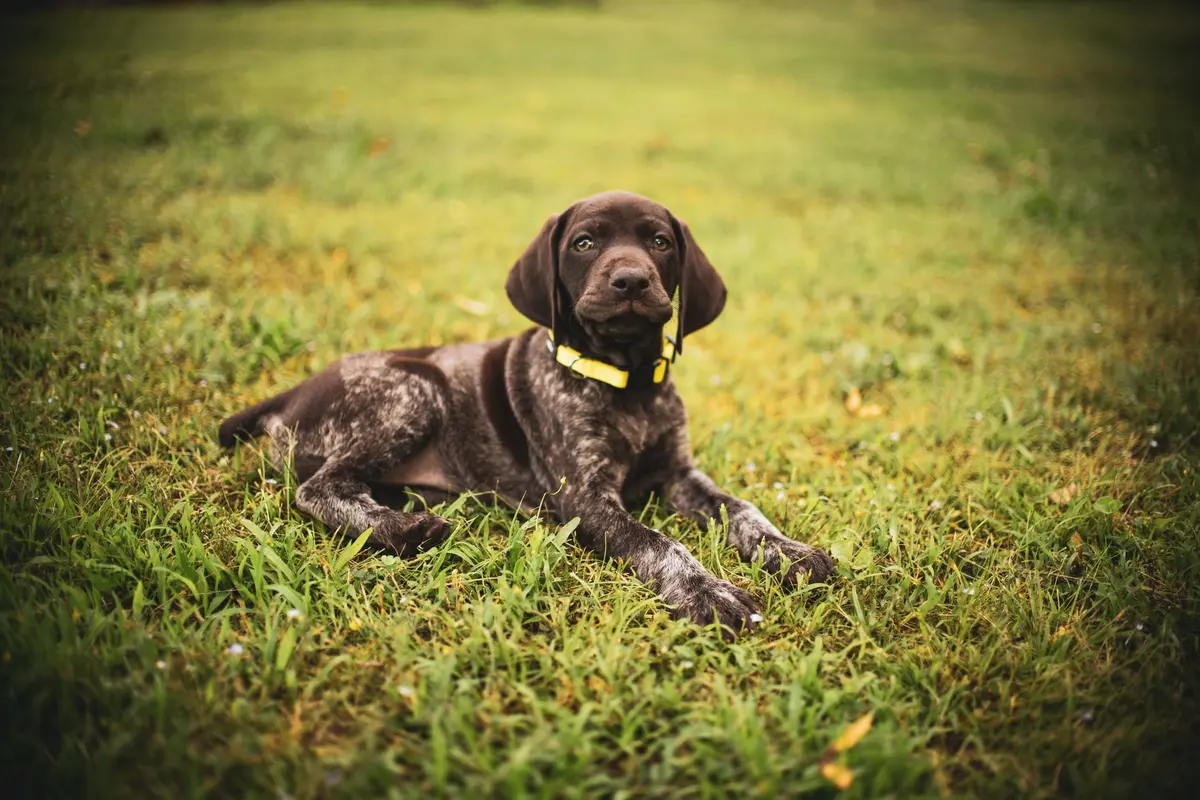
A 10 month old puppy in human years is about 13, or 13.3 exactly. At ten months a puppy is a classic teenager: physically nearly adult in most breeds, hormonally mature, and behaviorally somewhere between charming and infuriating. The first birthday, and the 15 human years that come with it, is two months away. Size does not change the number yet, but small breeds are finished growing while large and giant breeds are still adding bone and muscle.
What a 10-month-old puppy is going through
| Age | Human years | Milestones at this age |
|---|---|---|
| 10 months (~44 weeks) | 13.3 | Medium breeds near adult size · Energy peaks · Large and giant breeds keep growing to 18–24 months |
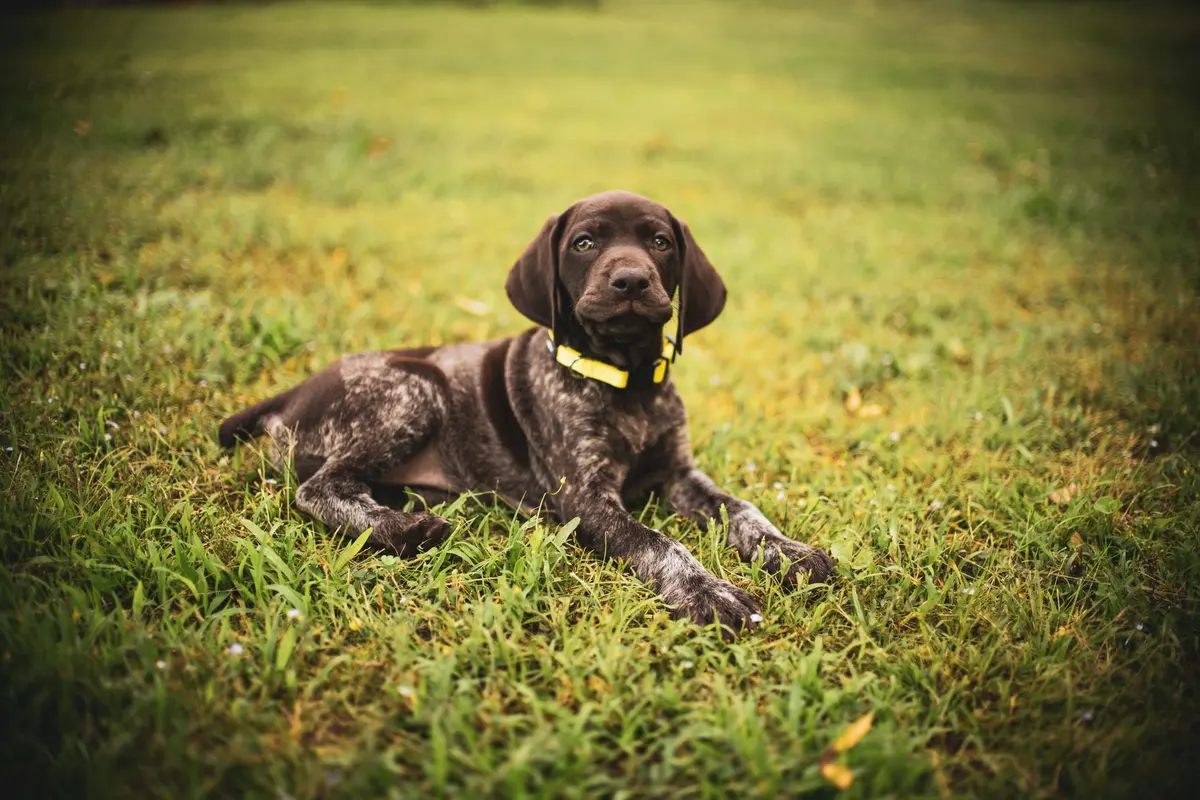
A 10-month-old puppy's place in the first year
At 10 months a puppy is in the final stretch of the AAHA puppy stage, which ends at one year, and well into adolescence, which lasts to about 18 months. Small breeds are physically adult, medium breeds nearly so, and large and giant breeds are still growing. The dog's temperament is now largely what it will be for life.
The AAHA canine life stage guidelines move a dog from puppy to young adult at 12 months, and the AVMA size-adjusted model counts that first year as 15 human years, so 10 month dog years equal about 13.3 human years.
What to work on at 10 months:
- Proof known commands around distractions: other dogs, squirrels, dropped food.
- Build calm settle behavior at home and in public, the skill adult dogs need most.
- Keep socializing with well mannered adult dogs; adolescent dogs can become rude or reactive without good models.
- Prepare for the first annual vet visit at 12 months: booster vaccines, heartworm test and a weight check.
A 10-month-old Cavalier may already be a settled companion; a 10-month-old Labrador is still a wrecking ball with good intentions.
Growth, food and health at 10 months
By 10 months toy and small breeds have reached adult size and can move to adult food. Medium breeds are close, large breeds will grow until 12 to 18 months and giants until 18 to 24. Common issues now are weight gain as growth slows, joint problems surfacing in big puppies, and skin or ear allergies making a first appearance.
A 10 month old puppy in human years is about 13, and the body is nearly adult in all but the largest breeds. Small breeds finish growing at 9 to 12 months, large at 12 to 18 and giant at 18 to 24.
Health checklist at 10 month dog years:
- Diet: switch toy and small breeds to adult food gradually over a week; keep large breeds on a large breed growth formula until your vet advises otherwise.
- Weight: calorie needs drop as growth slows, so measure meals and count treats.
- Joints: stiffness or limping in a Golden Retriever, Rottweiler or Bernese Mountain Dog puppy should be evaluated for dysplasia or osteochondritis.
- Allergies: itchy paws, ear infections and hot spots often begin between 6 months and 3 years.
- Spay or neuter: commonly done by now in small breeds; many vets recommend 12 to 18 months for large breeds.
Why isn't a 10-month-old puppy 5.8 in human years?
The seven rule gives 5.8 human years for a 10-month-old, which ignores adult teeth, adult hormones and near adult size. Dividing the first year's 15 human years evenly gives 1.25 per month, or 13.3 at ten months, which the size-adjusted model rounds to 13. The epigenetic clock is reported only from age one.
The AVMA explains that the seven rule fails because dogs do the equivalent of 15 human years of development in their first 12 months. At 10 month dog years the puppy has reached about 13.3 human years, a teenager, and will be 15 at its first birthday and 24 at its second before size starts to separate the breeds.
The molecular clock from Wang et al. (2020), 16 ln(age) + 31, is calibrated for dogs from one year onward, so pawometer shows it only from the first birthday, where it reads 31. The size effect that Kraus et al. (2013) measured, roughly a month of lifespan per 4.4 lb of adult mass, belongs to adult aging; a 10-month-old Bernese Mountain Dog and a 10-month-old Boston Terrier are both simply 13 today.
Frequently asked questions
How old is a 10 month old puppy in human years?
About 13 human years, or 13.3 exactly. The figure is the same for toy, small, medium, large and giant breeds because size begins to affect a dog's human age equivalent only after the second birthday.
When should a 10-month-old puppy switch to adult food?
Toy and small breeds can switch now or at their first birthday. Medium breeds usually switch around 12 months, large breeds at 12 to 18 months and giant breeds at 18 to 24 months, so ask your vet about your dog's expected adult weight.
Will my 10-month-old puppy calm down soon?
Gradually. Adolescence lasts until about 18 months, and many dogs settle noticeably between 1 and 2 years. Consistent training, enough sleep, daily mental work and appropriate exercise speed the process; punishment slows it.
Medically reviewed by our reviewing veterinarian, DVM · September 2026 Formulas, life stages and health notes follow AVMA, AKC and AAHA guidance. How we review · Not a substitute for veterinary advice.