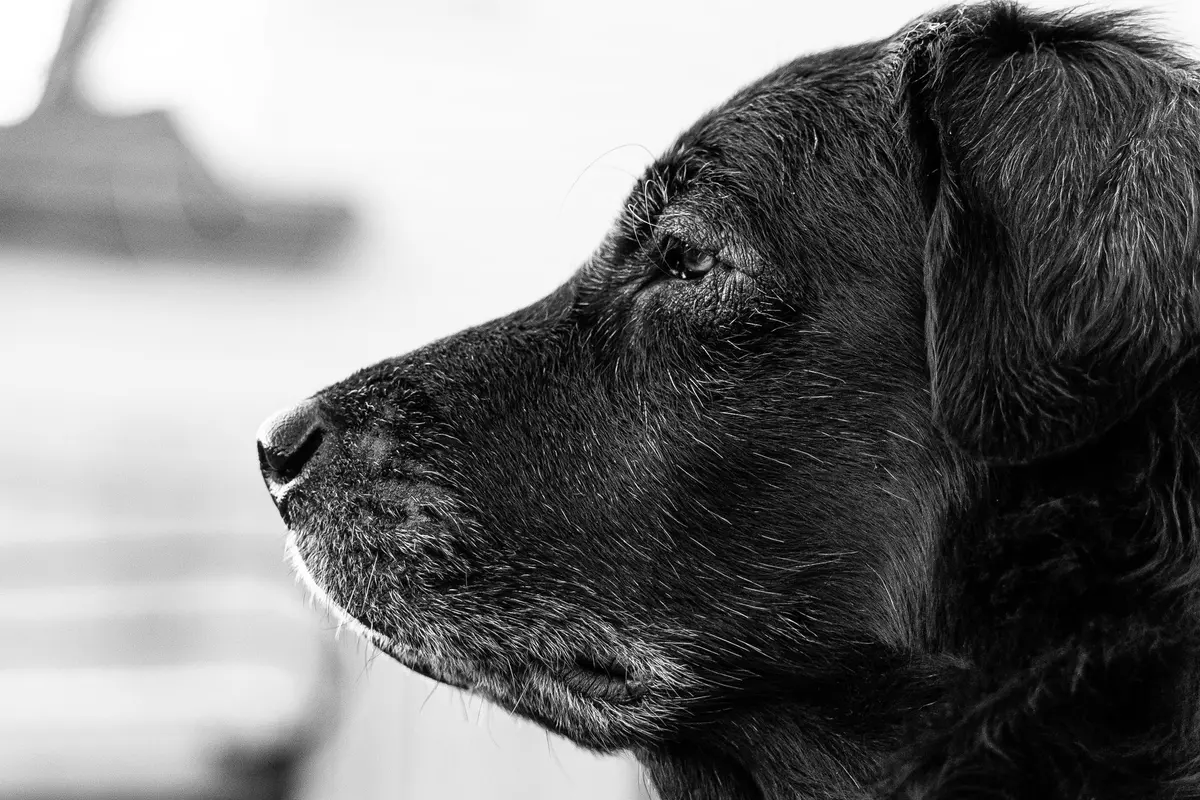
How Old Is 11 in Dog Years?
An 11-year-old dog is about 60 human years if small, 69 if medium, 78 if large and 87 if giant, according to the AVMA size-adjusted model; at 11 large and giant dogs are geriatric and the rest are seniors.
How old is 11 in dog years? A small dog is about 60 in human years, a medium dog 69, a large dog 78 and a giant dog 87. Eleven is the birthday at which a large breed reaches its average lifespan and moves from senior to geriatric, joining giant breeds that got there at 8.5. Toy, small and medium dogs are all seniors now. In human terms your dog is somewhere between a fit sixty-year-old and a person approaching ninety, and care should match that range.
11 dog years in human years, by size
| Dog size | Typical weight | Human years | Life stage at 11 |
|---|---|---|---|
| Toy | under 10 lb | 60 | Senior |
| Small | 10–20 lb | 60 | Senior |
| Medium | 21–50 lb | 69 | Senior |
| Large | 51–90 lb | 78 | Geriatric |
| Giant | over 90 lb | 87 | Geriatric |
Science mode (UCSD DNA clock, any size): about 69 human years. Life stage follows the AAHA guidelines and the average lifespan for each size.
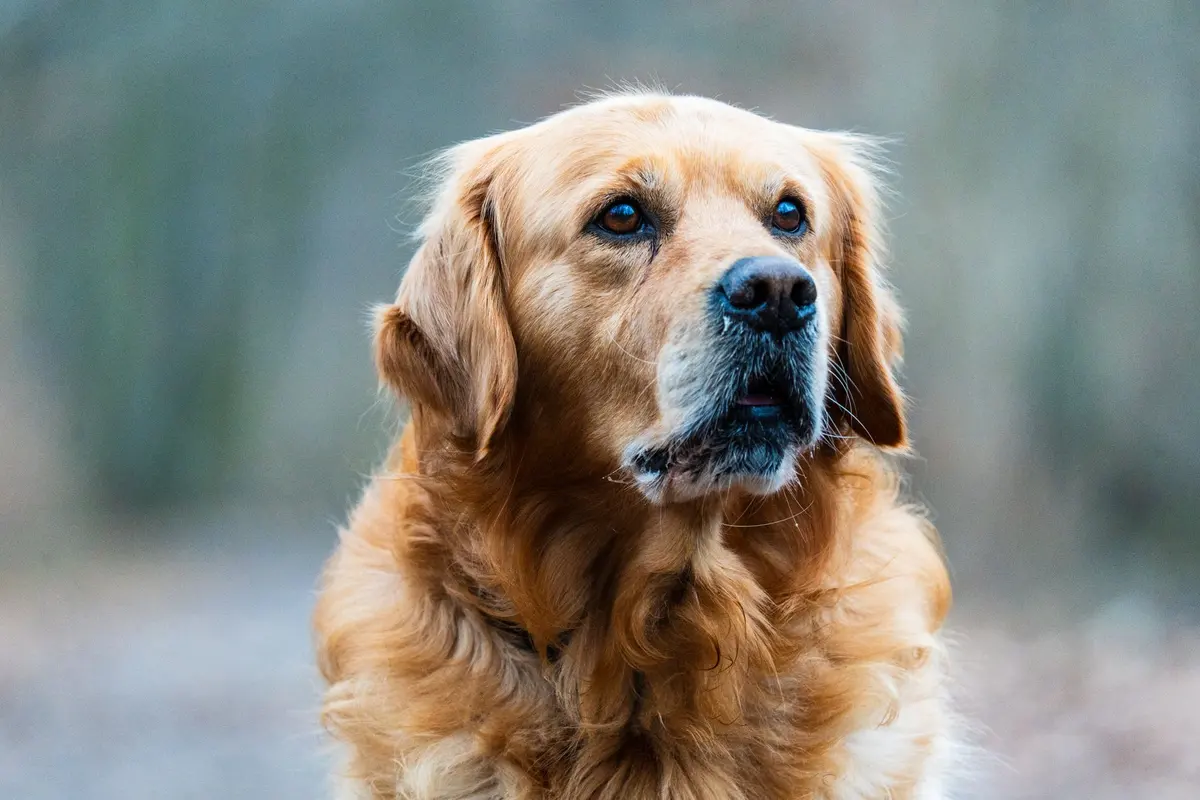
Life stage at 11: senior or geriatric?
By the AAHA guidelines an 11-year-old large dog has just crossed into the geriatric stage, and a giant dog has been geriatric for two and a half years. Medium dogs become geriatric at 12, small at 13 and toy at 14, so those three sizes are seniors at 11, with the toy breed only six months into that stage.
The AAHA 2019 canine life stage guidelines define geriatric as living beyond the breed's average lifespan. Average lifespans of 14, 13, 12, 11 and 8.5 years for toy, small, medium, large and giant dogs mean that at 11 in dog years:
- Giant (87) and large (78) dogs are geriatric.
- Medium (69) dogs are seniors in their last year before geriatric.
- Small (60) dogs are seniors with about two years to the geriatric line.
- Toy (60) dogs became seniors at 10.5.
Geriatric care focuses on comfort and quality of life: pain control, easy footing, predictable routines and frequent short outings. For an 11-year-old Labrador or Rottweiler, a vet visit every four to six months is reasonable. For a Yorkie or Dachshund, six-monthly senior visits with bloodwork remain the standard.
What to watch in an 11-year-old dog
At 11 the common problems are mobility loss from arthritis or spinal disease, kidney and heart disease, dental pain, and cognitive dysfunction. Weight loss replaces weight gain as the concern to watch, because muscle wasting and reduced appetite can hide illness. Any change in thirst, appetite or sleep deserves a call to the vet.
An 11-year-old dog is roughly 60 to 87 in human years, and the health picture varies as much as it does for people across that span.
Size-specific watch list at 11 dog years in human years:
- Small (60): congestive heart failure in Cavaliers and Chihuahuas, chronic kidney disease, tracheal collapse, severe periodontal disease.
- Medium (69): intervertebral disc disease in Dachshunds and Beagles, cataracts, Cushing's disease.
- Large (78): degenerative myelopathy in German Shepherds, laryngeal paralysis in Labradors, cancer of the spleen, bone or lymph nodes.
- Giant (87): heart failure, arthritis severe enough to limit standing, and osteosarcoma.
Hind end weakness in an 11-year-old is often blamed on arthritis but can be neurological, so ask for a proper exam rather than assuming it is just age.
77 is wrong: the real math for 11 in dog years
The seven rule says 77, but the size-adjusted model gives 60 for a small dog and 87 for a giant, a 27 year gap that a single multiplier cannot capture. The UCSD epigenetic clock returns about 69 for an 11-year-old dog, which sits near the medium breed figure.
The AVMA replaced the seven rule with a size-adjusted method: 15 human years for the first year, nine for the second, then four, five, six or seven per year for small, medium, large and giant dogs. At 11 that gives 60, 69, 78 and 87. The underlying biology was described by Kraus et al. (2013): across breeds, each 4.4 lb of body mass shortens expected lifespan by about a month, and large dogs age at a faster rate throughout adulthood.
The 69 figure is from Wang et al. (2020), whose methylation study produced human age = 16 ln(dog age) + 31. The logarithmic curve adds only about one epigenetic year between 10 and 11, which is why science mode and the size chart diverge most for very old, very large dogs.
Nearby ages on the chart
| Dog’s age | Small 10–20 lb | Medium 21–50 lb | Large 51–90 lb | Giant over 90 lb | DNA clock |
|---|---|---|---|---|---|
| 1 year | 15 | 15 | 15 | 15 | 31 |
| 2 years | 24 | 24 | 24 | 24 | 42 |
| 3 years | 28 | 29 | 30 | 31 | 49 |
| 4 years | 32 | 34 | 36 | 38 | 53 |
| 5 years | 36 | 39 | 42 | 45 | 57 |
| 6 years | 40 | 44 | 48 | 52 | 60 |
| 7 years | 44 | 49 | 54 | 59 | 62 |
| 8 years | 48 | 54 | 60 | 66 | 64 |
| 9 years | 52 | 59 | 66 | 73 | 66 |
| 10 years | 56 | 64 | 72 | 80 | 68 |
| 11 years | 60 | 69 | 78 | 87 | 69 |
| 12 years | 64 | 74 | 84 | 94 | 71 |
| 13 years | 68 | 79 | 90 | 101 | 72 |
See the full dog years chart (1–20 years, five sizes) →
Frequently asked questions
Is an 11-year-old dog considered geriatric?
Large and giant breeds are geriatric at 11 because they have reached or passed their average lifespan. Medium, small and toy breeds are seniors at 11 and become geriatric at 12, 13 and 14 respectively.
How old is 11 in dog years for a Golden Retriever?
An 11-year-old Golden Retriever is about 78 in human years as a large breed. Goldens average about 11 years of life, so an 11-year-old has reached the geriatric stage and every healthy month is worth celebrating.
How much exercise should an 11-year-old dog get?
Most 11-year-olds do best with two or three short walks a day rather than one long one, plus gentle mental work like sniffing games. Let the dog set the pace and stop before it tires; stiffness the next morning means the outing was too long.
Medically reviewed by our reviewing veterinarian, DVM · September 2026 Formulas, life stages and health notes follow AVMA, AKC and AAHA guidance. How we review · Not a substitute for veterinary advice.