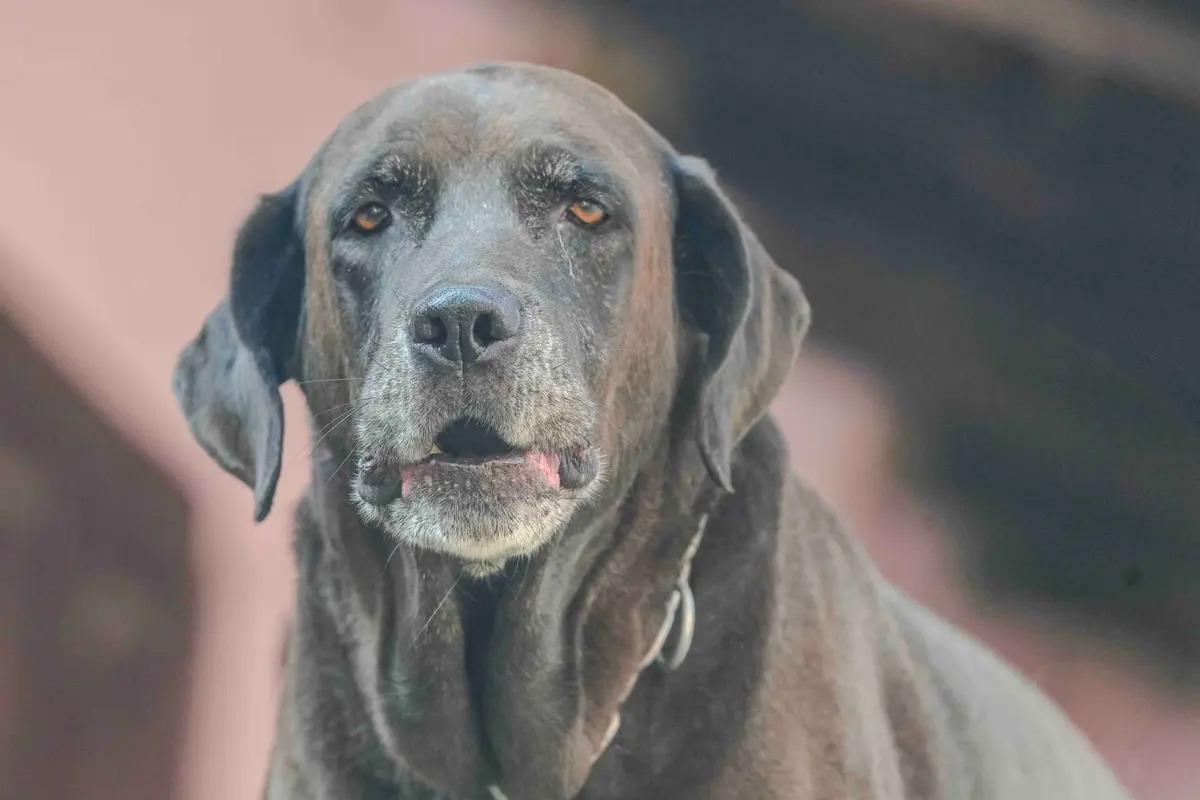
How Old Is 14 in Dog Years?
A 14-year-old dog is about 72 human years if small, 84 if medium, 96 if large and 108 if giant, according to the AVMA size-adjusted model; at 14 every size, including toy breeds, is geriatric.
How old is 14 in dog years? A small dog is about 72 in human years, a medium dog 84, a large dog 96 and a giant dog 108. Fourteen is the birthday when the last group, toy breeds averaging 14 years of life, becomes geriatric. Every 14-year-old dog has now lived at least as long as the average for its size, and a 14-year-old large or giant dog has beaten the odds by years. Care at this age is about comfort, routine and enjoying each other's company.
14 dog years in human years, by size
| Dog size | Typical weight | Human years | Life stage at 14 |
|---|---|---|---|
| Toy | under 10 lb | 72 | Geriatric |
| Small | 10–20 lb | 72 | Geriatric |
| Medium | 21–50 lb | 84 | Geriatric |
| Large | 51–90 lb | 96 | Geriatric |
| Giant | over 90 lb | 108 | Geriatric |
Science mode (UCSD DNA clock, any size): about 73 human years. Life stage follows the AAHA guidelines and the average lifespan for each size.

Every 14-year-old dog is geriatric: what that means
By the AAHA guidelines, 14 is the first birthday at which all sizes are geriatric, because it matches the 14 year average lifespan of toy breeds. Geriatric does not mean dying; it means the dog has outlived its breed's average and deserves care planned around comfort, mobility and mental health.
The AAHA life stage guidelines set the geriatric threshold at the average lifespan for each size: 14, 13, 12, 11 and 8.5 years. At 14 in dog years:
- Toy (72): geriatric as of today; many Chihuahuas and Yorkies go on to 16 or beyond.
- Small (72): geriatric for a year.
- Medium (84): geriatric for two years.
- Large (96): geriatric for three years, a rare achievement for a Labrador or Shepherd.
- Giant (108): nearly unheard of; enjoy every day.
Practical care includes a vet visit every four to six months, a pain plan reviewed at each visit, soft footing throughout the house, and a schedule that never varies much. A 14-year-old still needs the mental stimulation of a short sniff walk or a food puzzle every day.
What health changes should I expect at 14?
At 14 most dogs have some hearing loss, cloudy eyes, stiff joints and a slower gait. Chronic kidney disease, heart disease and cognitive dysfunction are the big three, and dental pain is nearly universal in small breeds. The best indicator of how a 14-year-old is doing is whether it still eats well and wants to greet you.
A 14-year-old dog is the equivalent of a 72 to 108-year-old person, and the care mirrors geriatric medicine: manage several conditions at once while protecting quality of life.
At 14 dog years in human years, watch for:
- Increased thirst and urination, the hallmark of kidney disease, which is very common in old small dogs.
- A nighttime cough or breathing faster than 30 breaths a minute at rest, signs of heart failure in Cavaliers, Chihuahuas and Miniature Poodles.
- Confusion, pacing, barking at nothing, or sleeping all day and waking at night, the pattern of canine cognitive dysfunction.
- Difficulty rising, slipping on floors, and reluctance to walk, all treatable with pain medication and home changes.
- Sudden head tilt and loss of balance, usually old dog vestibular disease, which frightens owners but often resolves within days.
Ask your vet about a quality of life scale so you can track good days and bad days objectively.
Why 98 is the wrong answer for 14 in dog years
Multiplying 14 by seven gives 98, which sits between the large and giant figures but overstates a small dog by 26 human years. The AVMA size-adjusted model gives 72 to 108, and the UCSD epigenetic clock gives about 73, close to the small dog number and far below the giant one.
The AVMA has said for years that the seven rule is a myth. The size-adjusted method it endorses assigns 15 human years to the first year, nine to the second and then four, five, six or seven per year depending on adult weight, which yields 72, 84, 96 and 108 at 14. The size effect was quantified by Kraus et al. (2013), who found each 4.4 lb of body mass costs about a month of lifespan and that large dogs age at a faster rate.
The molecular answer of 73 is from Wang et al. (2020), whose methylation formula, 16 ln(age) + 31, was built on Labrador data and rises slowly in old age. At 14 the epigenetic clock and the size chart agree for small dogs and disagree by 35 years for giants. Pawometer shows both so the difference is visible rather than hidden.
Nearby ages on the chart
| Dog’s age | Small 10–20 lb | Medium 21–50 lb | Large 51–90 lb | Giant over 90 lb | DNA clock |
|---|---|---|---|---|---|
| 1 year | 15 | 15 | 15 | 15 | 31 |
| 2 years | 24 | 24 | 24 | 24 | 42 |
| 3 years | 28 | 29 | 30 | 31 | 49 |
| 4 years | 32 | 34 | 36 | 38 | 53 |
| 5 years | 36 | 39 | 42 | 45 | 57 |
| 6 years | 40 | 44 | 48 | 52 | 60 |
| 7 years | 44 | 49 | 54 | 59 | 62 |
| 8 years | 48 | 54 | 60 | 66 | 64 |
| 9 years | 52 | 59 | 66 | 73 | 66 |
| 10 years | 56 | 64 | 72 | 80 | 68 |
| 11 years | 60 | 69 | 78 | 87 | 69 |
| 12 years | 64 | 74 | 84 | 94 | 71 |
| 13 years | 68 | 79 | 90 | 101 | 72 |
| 14 years | 72 | 84 | 96 | 108 | 73 |
| 15 years | 76 | 89 | 102 | 115 | 74 |
| 16 years | 80 | 94 | 108 | 122 | 75 |
See the full dog years chart (1–20 years, five sizes) →
Frequently asked questions
Is 14 a good age for a dog?
Yes. Reaching 14 means a dog has lived at least as long as the average for its size, and for medium, large and giant breeds it has outlived the average by two to five years. Toy and small breeds commonly live several years beyond 14.
How old is 14 in dog years for a Yorkie?
A Yorkshire Terrier is a toy breed, so a 14-year-old Yorkie is about 72 in human years and has just entered the geriatric stage. Yorkies frequently live to 15 or 16, so 14 is old but not unusual.
How often should a 14-year-old dog see the vet?
Every four to six months is a sensible schedule for a geriatric dog, with bloodwork, urinalysis and blood pressure at each visit. Sooner if appetite, thirst, breathing or mobility changes between visits.
Medically reviewed by our reviewing veterinarian, DVM · September 2026 Formulas, life stages and health notes follow AVMA, AKC and AAHA guidance. How we review · Not a substitute for veterinary advice.